Collected Thoughts: The Editors of MUM'S THE WORD Discuss This Surprising New Anthology
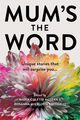
Motherhood looks very different depending on who is telling the story in the new anthology, Mum's the Word (Guernica Editions), a collection that reaches far beyond sentimental clichés and simple narratives.
The thirteen pieces gathered here explore complicated, uneven, and deeply personal relationships between mothers and children. Some stories are affectionate, others strained or unresolved. There are mothers who disappear, mothers who disappoint, mothers who embarrass, and mothers who redefine what care and family can look like. The collection makes room for contradiction rather than trying to smooth it away.
Edited by Maria Coletta McLean and Rosanna Micelotta Battigelli, the anthology brings together writers willing to approach the subject with honesty and specificity. Mum’s the Word is thoughtful without becoming overly neat, offering a wider and more recognizable picture of motherhood in all its complexity.
Just on the heels of Mother's Day, here's a fascinating Collected Thoughts Interview with these intrepid editors!
Open Book:
Tell us about the new book and how you became involved with it.
Maria Coletta McLean:
I wanted to do something hopeful during COVID. I kept thinking about my mother and her positive attitude. I spoke with Rosanna, and we realized we both had stories to tell. From there, we began thinking about other writers we wanted to invite into the project.
Rosanna Micelotta Battigelli:
During the pandemic, Maria suggested we work on a collection about mothers—all kinds of mothers, not the stereotypical mothers featured on greeting cards. We reached out to writers whose work we admired, including Lawrence Hill and Heather O’Neill, and eventually gathered eleven wonderful contributors. Their stories surprised and moved us, exploring everything from absent mothers to unconventional mothering roles to complicated family relationships.
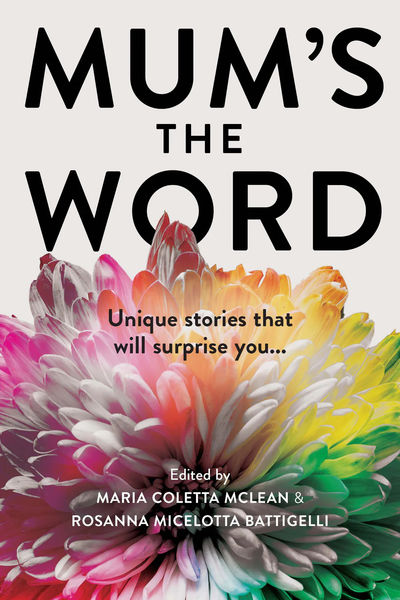
Mum's the Word - Edited by Maria Coletta McLean and Rosanna Micelotta Battigelli
OB:
What drew you personally to this subject matter, and why was this the right time to gather these pieces together?
MCM:
It was springtime, and everywhere I looked stores were advertising Mother’s Day gifts and cards. That made me think about how narrow those portrayals can be. Not all mothers fit the Hallmark version. Some mothers leave. Some struggle. Some women aren’t mothers at all. I wanted to explore those realities honestly and compassionately.
Your CanLit News
Subscribe to Open Book’s newsletter to get local book events, literary content, writing tips, and more in your inbox
OB:
How did you select the pieces for this collection? What were you looking for as editors?
RMB:
We invited writers whose work had resonated with us, whether they were well established in the Canadian literary world or writers we knew personally. We were looking for honesty and distinct perspectives. Every contributor approached motherhood differently—through personal experience, memory, loss, caregiving, or cultural expectation—and together those voices created a much richer conversation about what motherhood can mean.
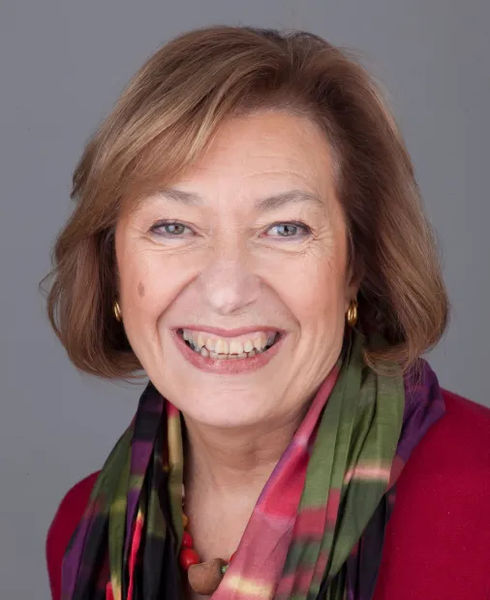
Maria Coletta McLean
OB:
What do you need when you’re writing and editing?
MCM:
I’m usually writing long before I actually sit down at the computer. I think through sentences and revisions in my head, jot notes on scraps of paper, and then eventually type everything into a first draft.
RMB:
I need an uncluttered desk and a quiet atmosphere, or sometimes soft instrumental music or ocean sounds in the background. Coffee and breakfast are essential before I begin. When editing on paper, I always use coloured pens—red, purple, teal. I also collect fountain pens, especially ones I bought in Murano, Venice, which I use for handwritten research notes and journals.
OB:
What do you hope readers will take away from these pieces?
MCM:
I hope readers who didn’t grow up with “typical” mothers will feel less alone. There’s comfort in recognizing that many families fall outside the neat narratives we’re often presented with. Some contributors aren’t mothers themselves, and their perspectives are equally important.
RMB:
We hope readers come away understanding that motherhood cannot be defined in only one way. Mothering roles differ across cultures, experiences, and generations. These stories invite readers to reflect on their own assumptions, relationships, and emotional responses surrounding motherhood.
OB:
How do you view the role of an editor when working on an anthology or collection?
MCM:
I’ve always believed in being honest but supportive. When giving feedback, I try to keep the individual writer and their experience in mind. The goal is to help the work become stronger while respecting the writer’s voice and vulnerability.
RMB:
For me, editing is about respect. Every writer is at a different stage in their creative journey, and an editor’s role is to offer constructive, thoughtful guidance while remaining sensitive to the emotional truth of each story.
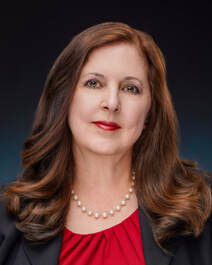
Rosanna Micelotta Battigelli
OB:
What defines a great anthology or collection, in your opinion?
MCM:
A strong anthology has a clear focus—in this case, mothers—but allows room for complexity. We weren’t interested in portraying mothers only as saints or villains. We wanted nuance and honesty.
RMB:
I think great collections combine universal themes with deeply personal stories. The word “mother” carries enormous emotional weight for many people, and authentic stories about diverse experiences of motherhood can resonate very powerfully with readers.
______________________________________
Maria Coletta McLean is the author of the best-selling memoir, My Father Came From Italy and the sequel Summers in Supino: Becoming Italian. Her latest book is Privacy is a Foreign Word in Supino. She’s been featured in the National Post, the Toronto Star, the Globe and Mail and USA Today.
An alumna of the Humber School for Writers, Rosanna Micelotta Battigelli has garnered awards for historical and short fiction. She also writes romance and children’s fiction. Her latest work is creative nonfiction: Product of Italy, Made in Canada: An Immigrant’s Love Letter to Food, Family, and Resilience (Latitude 46 Publishing). www.rosannabattigelli.com