Kevin Jagernauth on Reimagining Noir in THE LONGEST DEATH
A small-town bank job is just the beginning of the story in The Longest Death (House of Anansi Press), a new work of noir full with longing, ambition, and the dangerous hope that one perfect score can change everything.
Richard has spent years drifting through a life that seems to lead nowhere, until he meets the charismatic Marlon. Together they plan an audacious robbery that promises an escape from post-war Riverton and the chance to build a future on their own terms. But as other desperate figures close in, including a recently divorced schemer, a disgraced police officer, and a wealthy man watching his empire unravel, their carefully laid plans begin to fracture. Violence and suspicion take hold of both men, testing not only the heist but the bond at its centre.
Drawing on the traditions of classic noir while bringing a distinctly queer perspective to the genre, Kevin Jagernauth crafts a tense, stylish debut that asks how much love can survive when survival itself is on the line. Today, we're speaking with Jagernauth about The Longest Death, the enduring influence of noir fiction, and reimagining a familiar genre through a fresh lens.
Open Book:
Which authors have inspired you and/or influenced your work?
Kevin Jagernauth:
The Longest Death is deeply inspired by golden age crime writers such as Raymond Chandler, James M. Cain, Jim Thompson, and Dashiell Hammett, along with groundbreaking authors such as Patricia Highsmith.
The rhythms of their prose and the angles of their dialogue were vital in shaping my debut novel.
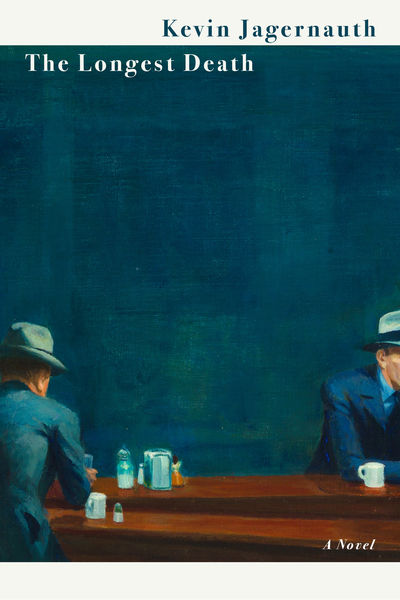
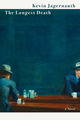
The Longest Death by Kevin Jagernauth
OB:
Do you see your writing style or philosophy reflected in a specific literary lineage, or branch of literature?
KJ:
In terms of style and aesthetic, The Longest Death adjoins the lineage of golden age fiction as well as classic film noir. The novel ruminates about morality and fate, which also echoes familiar themes from books of that era.
Traditionally, however, queer characters have been coded (Peter Lorre's Joel Cairo from The Maltese Falcon, Elisha Cook Jr.'s "gunsel" Wilmer in The Big Sleep) or villainous (Farley Granger and John Dall playing Leopold and Loeb-esque killers in Alfred Hitchcock's Rope) or both. Their "otherness" has been exploited to add "illicit" flavor to a story. My aim with The Longest Death is to center traditionally coded characters and situate their sexuality as only one part of the larger fabric of their dreams and desires.
Your CanLit News
Subscribe to Open Book’s newsletter to get local book events, literary content, writing tips, and more in your inbox
This I accomplished utilizing the very language and style of hard-boiled fiction, hopefully putting a bit of a contemporary stamp on the material. Ultimately, however, The Longest Death is about desire and what it means to love someone at any cost.
OB:
Do you think about the place of your work in the broader literary world when you write?
KJ:
Oh gosh, no. Especially as a debut novelist, that would be presumptuous. My only goal in undertaking this novel was to write something that I hoped I would like first. Getting The Longest Death to anything resembling a coherent draft was an accomplishment itself.
Once I had a manuscript that I felt was polished enough to send to agents, I rolled up my sleeves and went into the querying trenches. And for anyone that has been through the process, they know how emotionally taxing the large wall of silence can be, even if punctuated, on occasion, by glimmers of interest. But after giving it a fair shot, and receiving zero offers of representation, I was ready to put The Longest Death in a drawer.
That's when I heard about an open call from House of Anansi. The rest, as they say, is history. And I'm so grateful to my editor Doug Richmond and to the entire team at House of Anansi for seeing the potential in the book and believing in it. I'm also tremendously thrilled that The Longest Death will be released in the United States via Soho Crime later this year. That this all happened just as I was about to retire the manuscript feels like a miracle.
As for where the novel will stand today or tomorrow, that's for readers to decide.
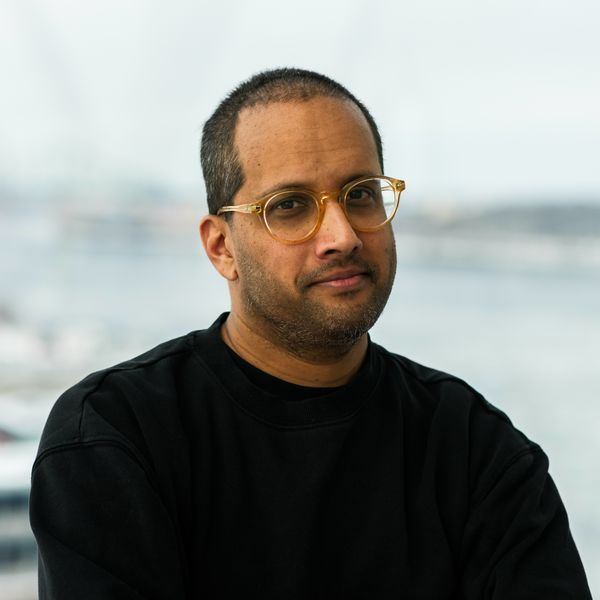
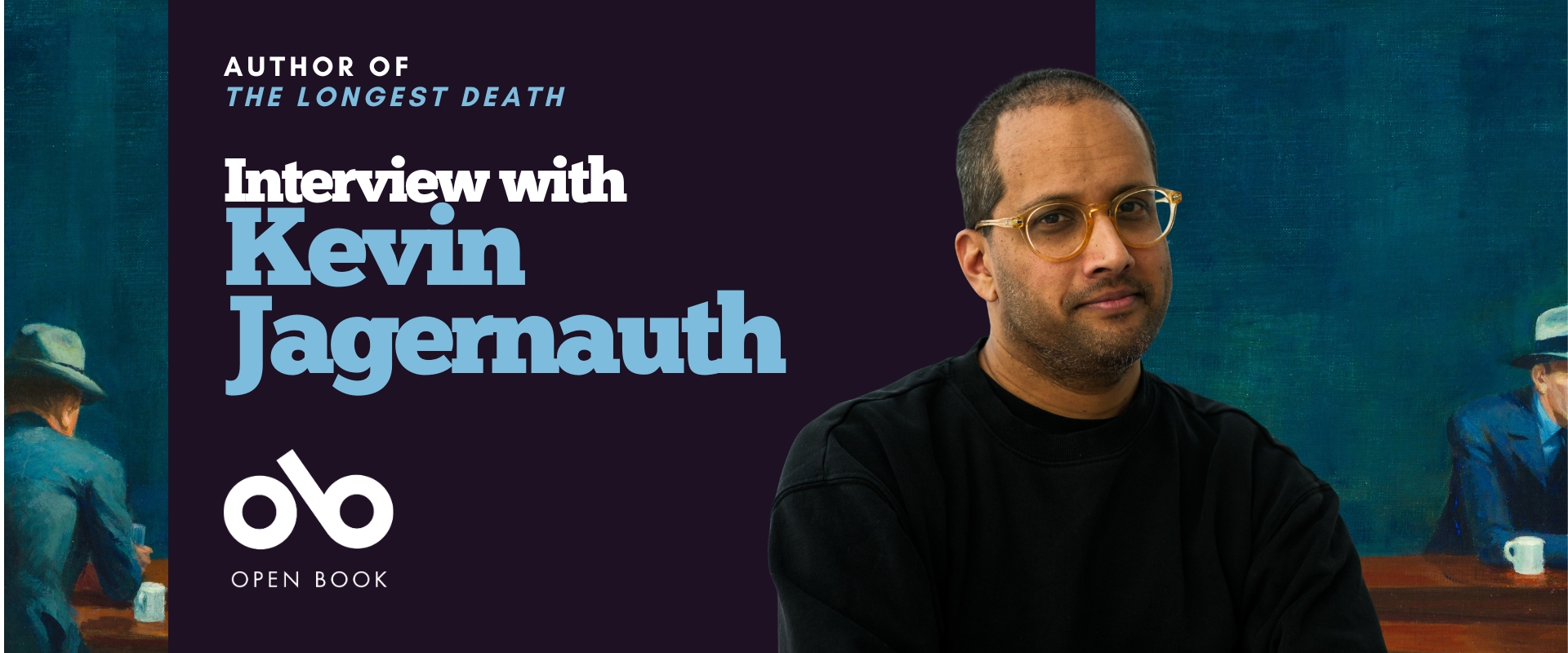
Kevin Jagernauth (Photo by Martin Reisch)
OB:
What are some other forms of storytelling that inspire you, outside of traditional novel-length work or short fiction?
KJ:
The book was borne from a cinephile's desire to write a story inspired by a genre I love: film noir. Pictures such as The Big Combo, Double Indemnity, They Live by Night, Crime Wave, The Maltese Falcon, and The Big Sleep were hugely inspirational. The visual language of those films—deep shadows, cigarettes, battered hats—undoubtedly left an imprint on The Longest Death.
Even the cover—a slice of Edward Hopper's famed painting Nighthawks—captures the ennui and atmosphere of the story. House of Anansi did a fabulous job getting the artwork for the book just right.
OB:
What is the next story you're working on, whatever form it may take?
KJ:
I'm currently working on my next novel, a crime story set in New York City in the '60s. That's all I'll say about it for now, but I'm excited by the challenges writing it will bring.
____________________________________
Kevin Jagernauth is a pop culture critic who has written about cinema, music, and literature for over twenty years. Born in Ottawa, he currently resides in Montreal. The Longest Death is his first novel.