Shahrzad Arshadi and Anna Chatterton on Building CHILDREN OF FIRE from Profound Voices of Resistance
Our featured non-fiction title today, Children of Fire: Kurdish Female Fighters and the Struggle for Woman, Life, Freedom (Book*hug Press), brings together theatre, memoir, interviews, poetry, photography, and firsthand testimony to tell the story of a remarkable group of women whose fight for freedom goes far beyond the battlefield. The result is a powerful collaboration that explores resistance, solidarity, and what it means to stand up for other people across borders and cultures.
After travelling to the Qandil Mountains in 2018, Shahrzad Arshadi and Anna Chatterton spent time living with Kurdish women fighters and listening to their stories. Those conversations inspired a stage production before evolving into this expansive collection, which blends forms to illuminate the lives, convictions, and everyday realities of the women behind the global slogan: "Woman, Life, Freedom."
Instead of offering just a single perspective, Children of Fire invites readers into an active dialogue about feminism, courage, environmental stewardship, and collective action. It is an urgent and deeply human work that asks what we can learn from those who continue to dream, and who fight for a more just world.
Check out our interview with both authors of this fascinating and essential work!
Open Book:
How have you bent or broken the rules of these established literary lineages to develop your own style and voice?
Shahrzad Arshadi & Anna Chatterton:
Children of Fire is not strictly a non-fiction book, or personal essays and interviews with female freedom fighters, or a photography book, or a play, or a poetry book—it’s all those genres, together, in one book. Book*hug allowed us to blend genres and put it all in because it all belongs. We wanted to share the freedom fighters’ poetry, women who are writing poetry not having their masters in creative writing, but because it is the only way to express what they are experiencing and witnessing. They aren’t professional artists and yet they live artistically, writing down their own profound and well-articulated stories and others.
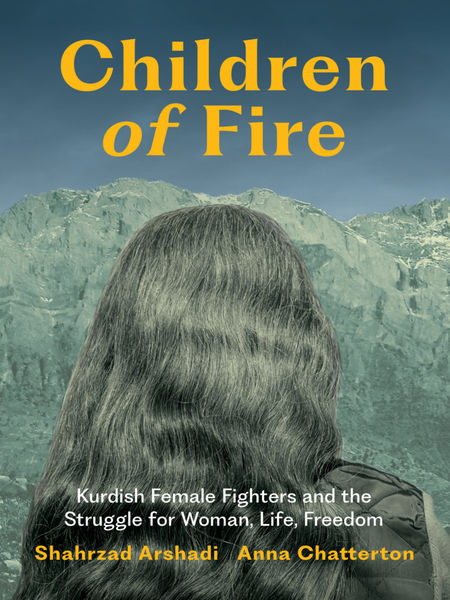
Children of Fire: Kurdish Female Fighters and the Struggle for Woman, Life, Freedom by Shahrzad Arshadi and Anna Chatterton
OB:
What impact would you like your book to leave?
SA & AC:
We are hoping readers will see that even though there are physical borders, it’s not us over here and them over there. We should share the same human values: freedom, joy, the right to peace and hope for a bright future. We want readers to understand these female freedom fighters’ lives and struggle through their own words and see the beauty inside their hearts. These women are so committed to a better world for their people, and beyond, that they are willing to sacrifice their lives to the cause. We hope that through reading this book and about these women, readers will learn to see how kindness can be contagious.
OB:
Where do you see your work fitting into any specific traditions in Canadian storytelling?
Your CanLit News
Subscribe to Open Book’s newsletter to get local book events, literary content, writing tips, and more in your inbox
SA & AC:
Like traditional storytelling methods in Canada, we wanted to highlight oral history by focusing on Middle Eastern women’s life stories in a direct way. We transcribed their verbatim stories to share the female freedom fighters’ voices in Canada. Just the simple act of sharing these women’s personal narratives, however modest, however quiet, felt important to include in the storytelling cannon here.
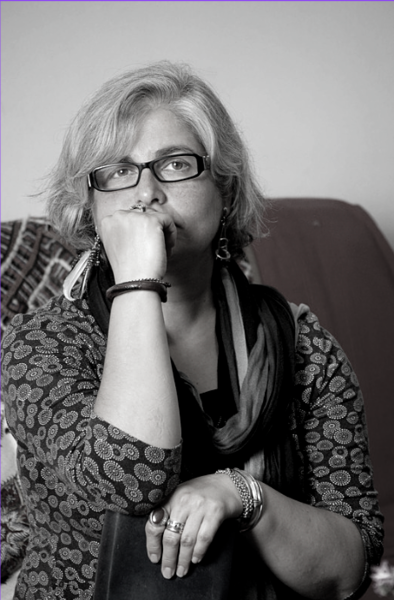
Shahrzad Arshadi
OB:
Do you draw from family or community stories in your work? If so, how?
SA:
All my work is based on community and personal stories. I feel a responsibility since living outside of Iran. I feel people don’t know much about my life—that part of the world. I need to have these stories relate to what I experienced through my life, and through my friends and my community. Also, part of my work is to learn and understand many things about the culture of my new home—Canada—specifically, the first people of Turtle Island. We all have a story to tell.
AC:
I base some of my plays on my personal family stories. I also have an intense curiosity about how other communities work and try to get inside those worlds to understand them, which is why I collaborate across cultures and disciplines so often. It is the best way to learn deeply.
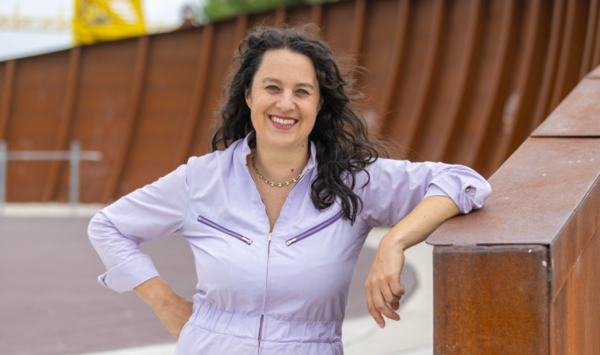
Anna Chatterton
OB:
What is the next story you’re working on, whatever form it may take?
SA & AC:
We just finished a new play called Girls Don’t Die Here about Iranian female political prisoners past and present. We also dream of writing a novel together and we are both, of course, working on various other projects on our own.
SA:
I am working on a collectively written book of laundry stories. Stories of our mothers and grandmothers. It was originally a performance piece called Come Wash With Us by Tasht Collective, and now we are writing the stories down. It will be a genre-blurring book including stories, photographs, and interviews with the audience members and their own laundry stories. When we began, we never imagined laundry could be so political. I am also working with embroidery artists on an ongoing huge embroidery installation project called The Soul of the Soul, Stitching as Resistance and Remembering Lives.
AC:
I have a new opera that I wrote the libretto for, which I adapted from a short story by the Quebequois writer, Monique Proulx, called “Those We Loved.” This opera will be performed Fall 2027 by Tapestry Opera in Toronto. I am also working in new genres, both creative non-fiction in the form of a fictional memoir and the adaptation of a play of mine to a novel. Both are new territories for me.
_________________________
Shahrzad Arshadi is a Canadian-Iranian multidisciplinary artist who works in various fields, including photography, documentary film, playwriting, and performance. Since 2022, she has co-produced and co-hosted the Future Is Now podcast, and her plays and performances include It Is Only Sound That Remains (2011), Come Wash With Us: Seeking Home in Story (2015), and Forbidden Voices (2018). She has received multiple awards for her work, including Nightwood Theatre’s Louise Garfield Award, Concordia University’s Little Prize, and a Woman of Distinction Inspiration Award. Arshadi is based in Tiohtià:ke (Montréal).
Anna Chatterton is a writer, theatre artist, and librettist. A two-time finalist for the Governor General’s Literary Award for Drama, her published plays include Within the Glass, Gertrude and Alice (co-written with Evalyn Parry), Cowgirl Up and Quiver, which was nominated for a Hamilton Literary Award. She is the winner of a City of Hamilton Arts Award and a Toronto Theatre Critics Award, and her collaborative projects have been nominated for five Dora Mavor Moore Awards, and a JUNO Award. Originally from British Columbia, she now lives in Hamilton, Ontario.