Simon Casaubon on Writing I AM QUEER to Help Young People Feel Seen
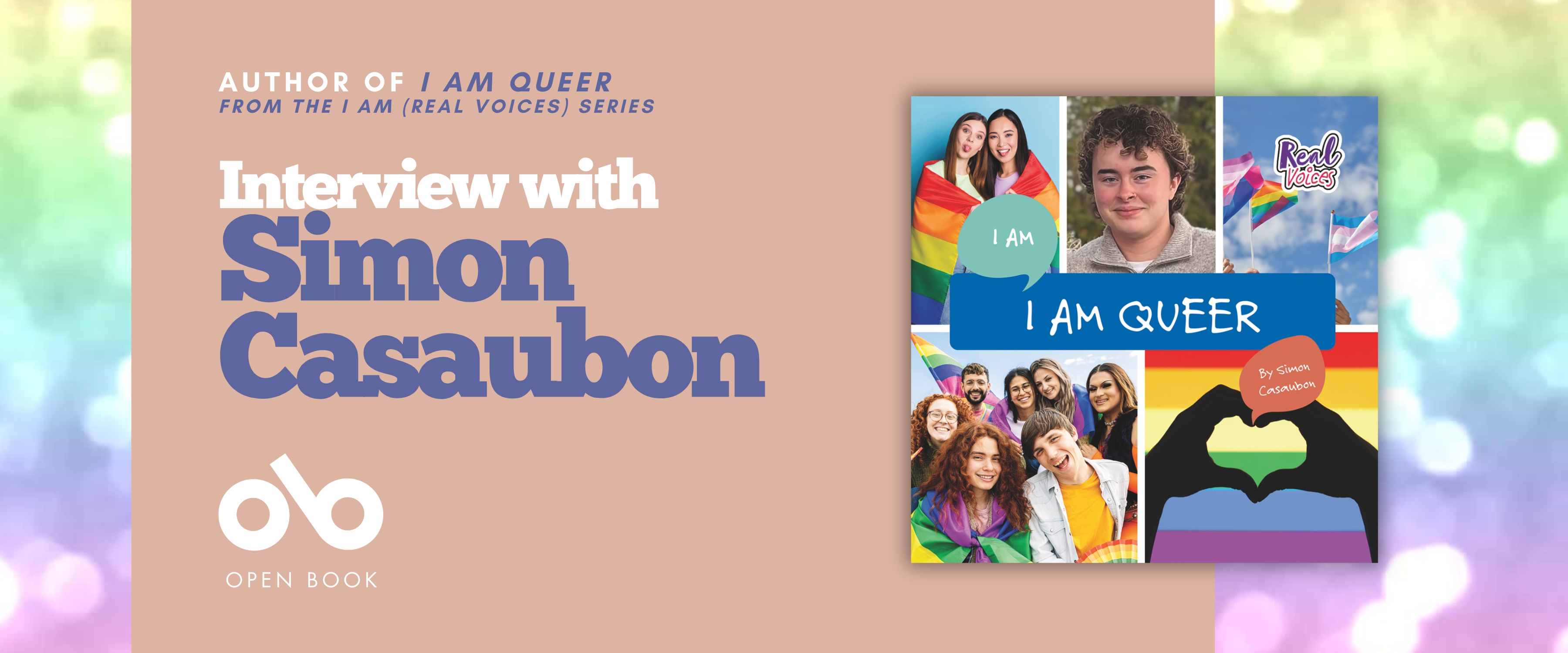
Personal stories can open the door to much larger conversations. In I Am Queer, (Beech Street Books/Saunders Book Company) author Simon Casaubon shares his own experiences while introducing young readers to the history, challenges, and progress of Canada's queer community.
Beginning with his own life, Casaubon explores how attitudes toward LGBTQ+ people have changed over the past century, while also recognizing the work that remains. The book encourages readers to think about identity, belonging, and inclusion through everyday experiences, showing how understanding another person's story can build empathy and respect.
Part of the I Am... (Real Voices Series), I Am Queer uses lived experience to introduce readers to diverse communities across North America. Accessible and age-appropriate, it offers a thoughtful starting point for conversations about equality, representation, and creating spaces where everyone can feel seen and valued.
Check out our interview with the author right here!
Open Book:
How did your memoir project first start? Why was this the right time to tell your story?
Simon Casaubon:
I was contacted by Saunders Book Company to write my memoir for their I Am… Real Voices series as I am close friends with Olivia Saunders with her own memoir I Am Autistic. As discussed in I Am Queer, I’ve experienced a lot of turmoil around my own sexuality throughout my life, and felt that it was the right thing for me to try and help others who might be experiencing the same thing. A lot of younger people have a hard time finding the proper resources and guidance with their sexuality, and I wanted to be able to provide people with information that it suitable for a younger age group to understand.
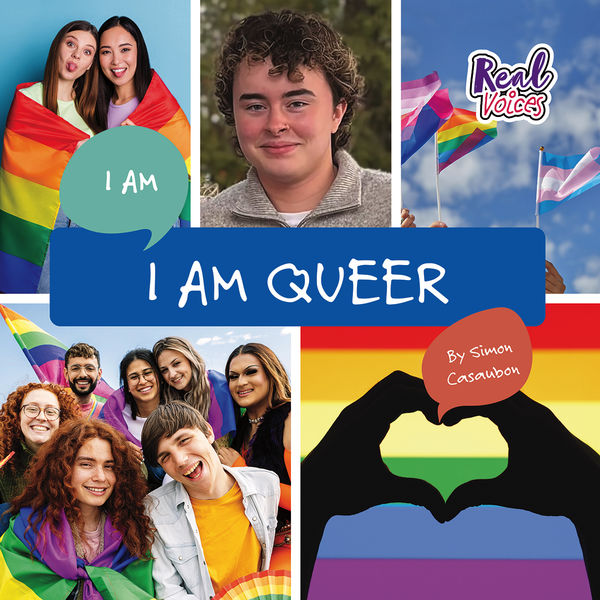
I Am Queer by Simon Casaubon
OB:
Did your memoir change significantly from when you first started working on it to the final version? Was there anything that surprised you about the process?
SC:
My memoir did change a lot! I was nervous about getting personal, and I didn’t even entertain talking about my own sexuality when I first began the outline. The second chapter was going to be dedicated to talking about Queer History, ranging from mythology, to the HIV/AIDS epidemic, and then legalization of same sex marriage. That is a lot to cover in so few words though, so it was scrapped, and in turn I got to share my own story!
OB:
What do you need in order to write – in terms of space, food, rituals, writing instruments?
Your CanLit News
Subscribe to Open Book’s newsletter to get local book events, literary content, writing tips, and more in your inbox
SC:
I like to have a drink while I’m writing, or gum to chew, something to keep my mouth busy. Eating food while writing doesn’t work for me, finger food is too messy when I’m typing, and meals require too much attention. Typically I’ll write on my computer in my living room with a cold drink (usually an iced chai or lemon water), and either listen to music or watch hockey if it’s on. I was watching a lot of Pittsburgh Penguins or San Jose Sharks games while I was writing I Am Queer!
OB:
If you have written in other genres, what was different for you in writing a memoir?
SC:
I’ve written nonfiction work for school, and in my own life I’ve written movie analysis, which I guess you could consider nonfiction if we’re getting super technical, but I typically focus on writing fiction. I’m a pretty versatile writer though so I didn’t find this too hard. I’ll spend one day writing horror and post-apocalyptic work, and the next writing a coming-of-age romance. No matter what I’m writing, I am doing a lot of research, which helped with writing this memoir, as I had to put in some research for writing the less personal information.
OB:
Did you experience any anxiety about making a part of yourself public in this way? If so, how did you or do you cope with the vulnerability of publishing a memoir?
SC:
I did feel a lot of anxiety with sharing such a vulnerable part of myself. I’m not one who really likes to talk about myself, so writing a whole chapter about my sexuality felt a little bit like I was saying “Hey! Look at me! Pay attention to me!” But I had to realize that by writing this, I wasn’t demanding people pay attention to me; I was simply showing my own experience with sexuality. Everyone's experience is different, but hopefully someone can resonate with my story and find some sort of comfort and clarity in it. It’s more like I’m saying “Hey, I’m like you, and isn’t that wonderful?”
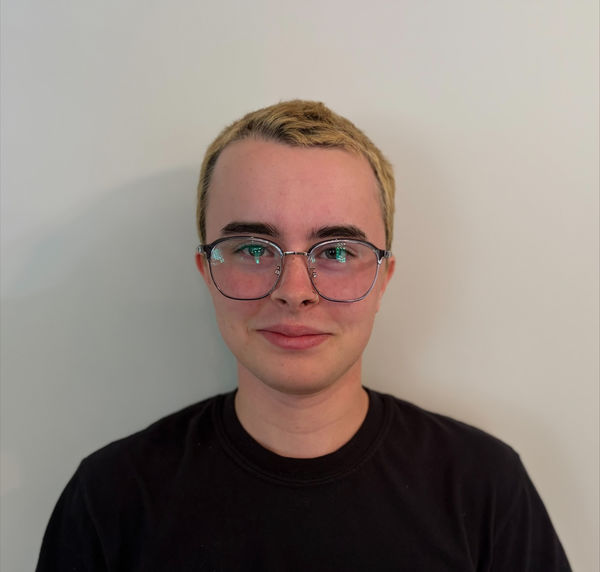
Simon Casaubon
OB:
Personal essays, memoirs, and creative nonfiction in general have become particularly in demand and loved by readers in recent years. Why do you think creative nonfiction is more popular than ever?
SC:
I think people have started to resonate more with personal nonfiction work because of the human aspect of it. So many fiction stories are dramatized and make people feel like they have to experience this fictitious narrative to feel normal, or like they’re striving for something that is unachievable. Nonfiction shows people what’s real and gives them a more concrete idea to grasp onto. I also feel that with the pandemic and the loneliness epidemic, real stories have become all the more important for people to read and connect with.
OB:
When you're reading memoirs, what stands out to you and makes a really great book? Were there any published memoirs you found inspiring structurally or otherwise while working on yours?
SC:
I like when a memoir uses humour and imagery, and isn’t so point A to point B. I’ve been working on reading a memoir/social science work called Kin: The Future of Family by Sophie Lucido Johnson, and I find it really interesting. In I Am Queer, I talk briefly about how lonely it can be being an aromantic asexual person, but books like Kin, or The Other Significant Others: Reimagining Life with Friendship at the Center by Rhaina Cohen give me the same feeling of understanding that I’m hoping youth get from my own book.
OB:
What are you working on now?
SC:
I’m sort of between a lot of projects; rarely, I will actually finish a story. At the moment, though, I'm working on starting a sex education blog through the publishing platform Substack. I feel that something like that would keep me writing because I’d be casually posting informative articles, and I’m passionate about sex education, so it’s a bit of a win-win situation!
____________________________
Simon Casaubon is the author of I Am Queer, part of Saunders Book Company's I Am… Real Voices series. An educator and writer, he is passionate about LGBTQIA2S+ representation and accessible sex education for young people, and is currently developing a sex education newsletter on Substack.