WOMAN AMONG MONUMENTS Confronts the Enduring Obstacles Women Artists and Writers Face
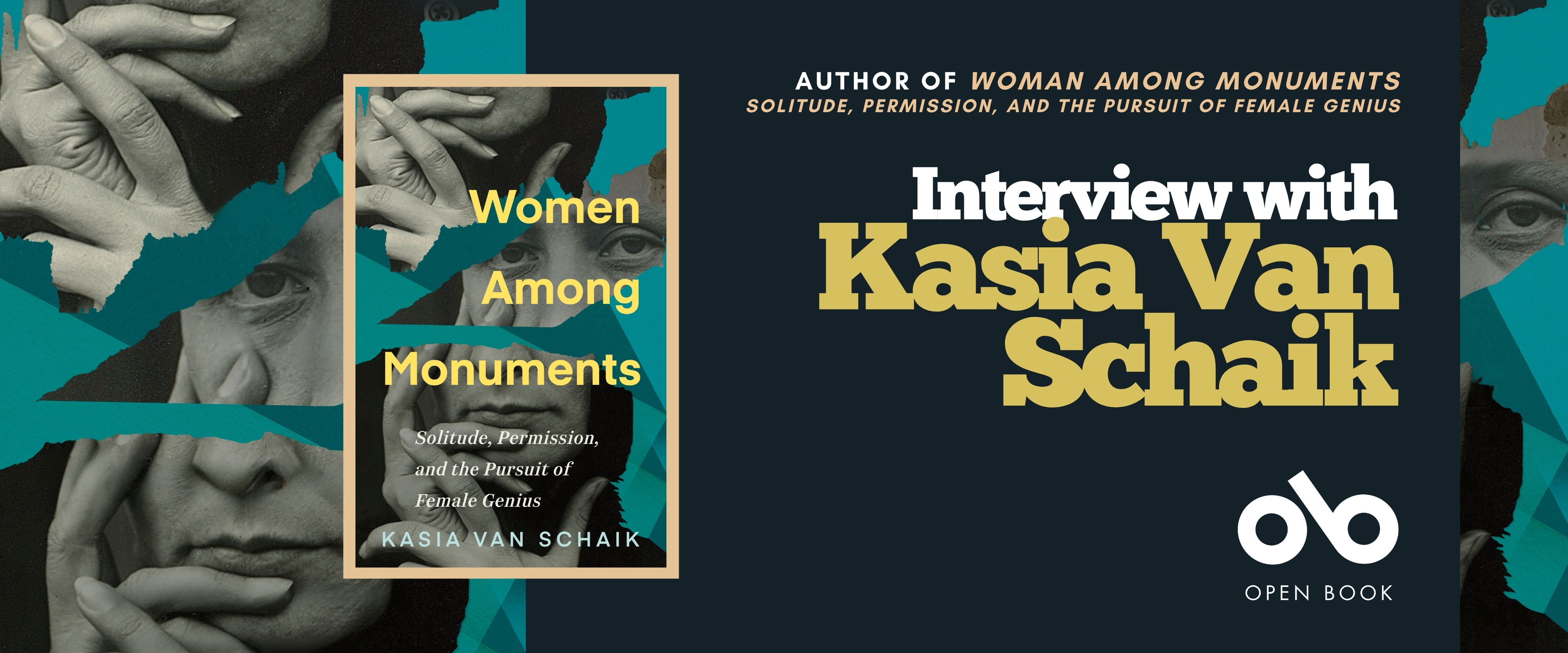
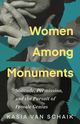
What does it actually mean for a woman to claim the title of artist, let alone genius, in a culture that still hesitates to grant it? Women Among Monuments (Dundurn Press) approaches that question without reverence or apology, following the lived, often awkward realities of trying to make a creative life stick.
This engrossing memoir from acclaimed author Kasia Van Schaik moves through classrooms, residencies, cities, and jobs that promise meaning and rarely deliver it. From Montreal to Berlin, Paris to the Toronto Islands, and as far as the Karoo desert, a young woman tests the limits of ambition, doubt, and endurance. These places become backdrops for a sharper inquiry into how artistic permission is earned, withheld, or quietly taken.
Woman Among Monuments blends nonfiction with the closely observed stories of other women who made space for themselves under constraint. Artists and writers appear not as icons but as working figures who endured solitude, failure, and persistence. Women Among Monuments is clear-eyed and searching, less interested in myth than in the conditions that allow creative work to survive.
Check out our interview with the author of this fascinating title, right here on OB, a week in advance of the February 17th release (pre-order here)!
Open Book:
Is there a question that was central to this project? And if so, did you know the question when you started writing or did it emerge from the process?
Kasia Van Schaik:
Initially the book’s inciting questions were: Where are the women among monuments? Why aren’t there more of them?
As the book progressed, the questions expanded to encompass the theme of creativity more universally: What is a creative life? What does such a life look like for women? Where does the inner flint of artistic permission come from? How is it ignited, and what is the oxygen that keeps it burning?
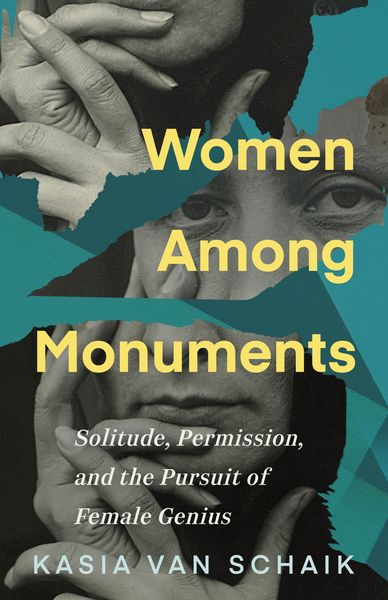
Women Among Monuments: Solitude, Permission, and the Pursuit of Female Genius
OB:
Did your memoir change significantly from when you first started working on it to the final version? Was there anything that surprised you about the process?
KVS:
Women Among Monuments changed a lot during the writing process. For one, it started off as a book of cultural criticism with a personal frame and only took on the elements of memoir later—the result is more of a hybrid memoir and book of ideas. This was partly due to a suggestion from a trusted reader who wanted more storytelling and partly to my own love of narrative.
Your CanLit News
Subscribe to Open Book’s newsletter to get local book events, literary content, writing tips, and more in your inbox
I find story the most exciting way to enter into cultural and art analysis, and so I drew on my own encounters with the artists I write about. As most of the artists and writers in this book are dead, these encounters take place in books, art galleries, and archived letters. There’s also a tiny bit of time travel involved.
OB:
What do you do if you're feeling discouraged during the writing process? Do you have a method of coping with the difficult points in your projects?
KVS:
If a chapter isn’t working—if it feels sluggish, imprecise, too academic, or unbalanced—I’ll copy the text into a new document and title it “experiment.” This simple move gives me a sense of permission to try out new things.
I’ll chop up the piece, start in a different spot, add a transition, extend a scene, free-write, throw in a quote—doing all of this knowing I can always go back to the original. Often, though, the “experiment” draft becomes the version that feels more alive to me, and that’s the one I’ll keep.
OB:
If you have written in other genres, what was different for you in writing a memoir?
KVS:
My first book, We Have Never Lived on Earth, is a novel-in-stories set against the background of the climate crisis. Each chapter can stand alone, but together they form a story arc.
Writing nonfiction was challenging because I often had to rein myself in from elaborating or embellishing scenes in ways that served the story rather than the truth. I had to cut away fictive strands and remain loyal to fact, which is often stranger than fiction anyway. Upholding what Philippe LeJeune calls the “autobiographical pact” can feel limiting to a fiction writer who wants to lift off on the sails of a good story.
At the same time, nonfiction can be easier because there’s a blueprint of memory to draw on. Still, fiction will always be my first love because of the freedom it allows.
OB:
Did you experience any anxiety about making a part of yourself public in this way? If so, how did you cope with the vulnerability of publishing a memoir?
KVS:
Initially, no—because I was just writing at home with only my two indifferent cats as observers. But as publication approaches, I’ve begun to feel more exposed. I often tell my writing students to be as vulnerable as possible in their nonfiction, and I tried to honour that advice when soul-baring was called for.
Now it’s dawning on me that I’m about to publish my uncertainties and self-doubt without the chainmail of fiction to protect me. At the same time, what’s the use of writing anything if you’re not going to be honest? I remind myself that I’m writing the kind of nonfiction I want to read.
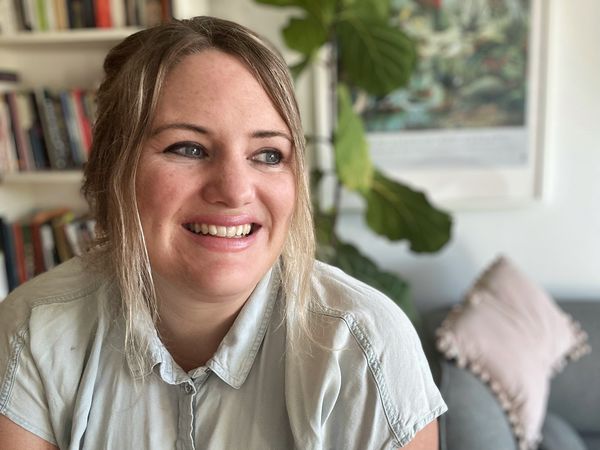
Kasia Van Schaik
OB:
When you're reading memoirs, what stands out to you and makes a really great book?
KVS:
While writing this book, I read a lot of narrative nonfiction—books that essentially read like novels, with research and facts subtly threaded throughout.
Some key touchstones for me were Olivia Laing’s The Lonely City, Lauren Elkin’s Art Monsters, and Amina Cain’s A Horse at Night. I also return often to Renee Gladman’s Calamities for its attention to the micro-disasters of everyday life, and to Chris Kraus’s Aliens and Anorexia for its devastating and funny treatment of ambition and failure.
The best memoir I’ve read is Tove Ditlevsen’s The Copenhagen Trilogy. When I want to remind myself of the platonic ideal of memoir, I read a paragraph from Ditlevsen.
OB:
What are you working on now?
KVS:
I’ve returned to my first love, fiction. In the rare and precious pockets of time I have, I write a sentence or two, which I hope will one day amount to a book. We’ll see what shape it takes.
_____________________________________
Kasia Van Schaik is the author of the linked story collection We Have Never Lived On Earth, which was longlisted for the Scotiabank Giller Prize. Her writing has appeared in Electric Literature, the LA Review of Books, the Best Canadian Poetry, and the CBC. Kasia holds a PhD in English Literature from McGill University and lives in Montreal.