We Inteviewed Maya McKibbin, Mega-Talented Illustrator of MAKADE ASIN / BLACK STONE
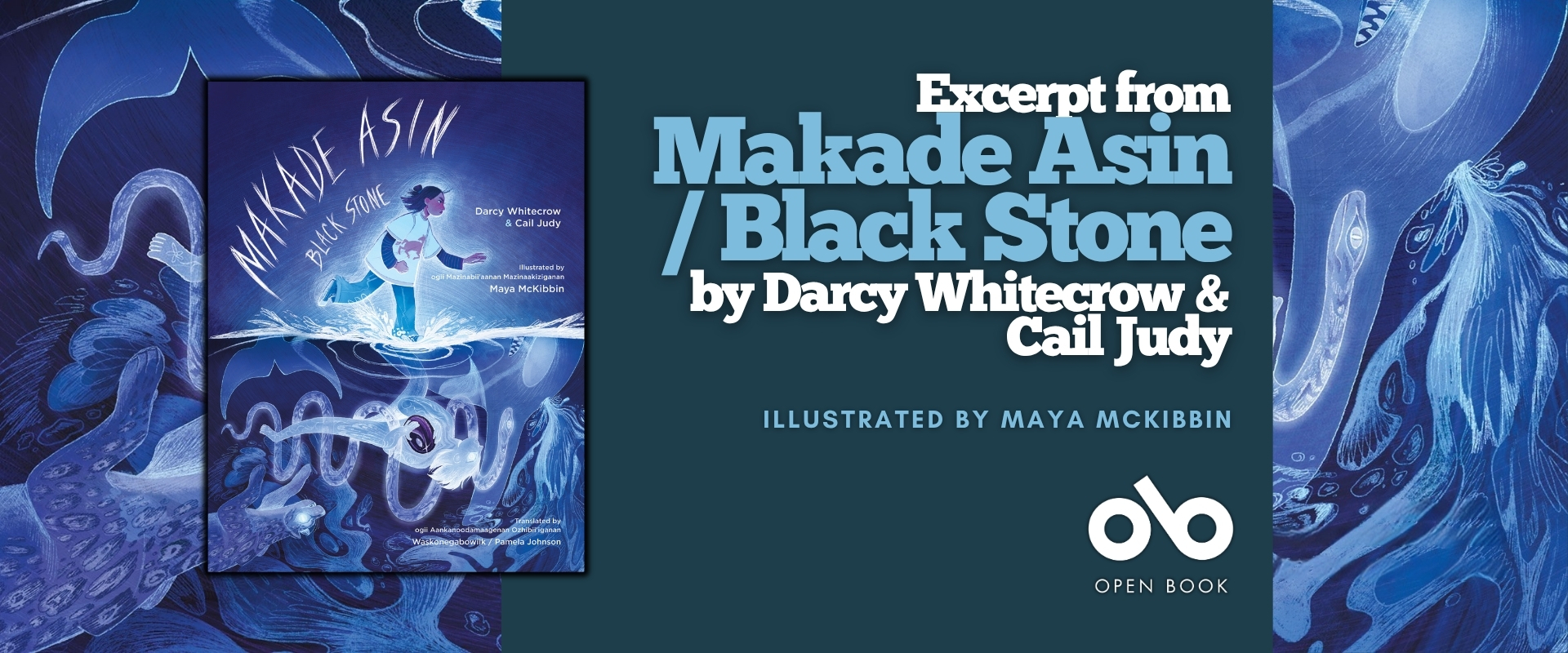
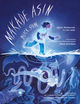
A frightening dream turns out to be the beginning of a much more significant journey in Makade Asin / Black Stone (Groundwood Books), an English and Anishinaabemowin picture book about facing fear and discovering that courage can come from unexpected places.
Looking for guidance, a young boy turns to his Mishoomis, who tells him he must find the black stone. His search carries him through forests, deep waters, and a vast desert, where storms and intimidating animals test his resolve. But the very creatures that he fears also become his guides. Drawing inspiration from an Ojibwe story, Darcy Whitecrow and Cail Judy shape this boy's vision quest into an adventure that asks him to look within himself as much as out into the world.
Comics-inspired illustrations by Maya McKibbin make the journey all the more vivid, deftly shifting between moments of danger, wonder, and discovery. Rooted in Ojibwe storytelling and accompanied by a note about Whitecrow's connection to the story and to vision quests, Makade Asin / Black Stone offers young readers a thoughtful exploration of fear, inner strength, and finding the courage to keep going.
We interview the very talented illustrator of this wonderful new book right here!
Open Book:
What do you need in order to plan and create your artwork — in terms of space, food, rituals, instruments?
Maya McKibbin:
Coffee, Enya, and an open window. Those are things that help me focus and regulate. I try to be in the best space mentally when I’m drafting up the initial artwork. Focusing some days can be hard for me. When I have those days, I take little breaks by walking to the living room and peaking in at my fish tank. They help me a lot too :)
Everything starts with super rough sketches that are no bigger than 4x6 inches in a notebook. I usually draft up the whole book in a day and send it off to the publisher. So, it happens in one space, which is usually my bedroom, which also functions as my studio. I have lots of sentimental things in there from my childhood, gifts, and cool rocks I’ve picked up from trips. I feel kind of like a crow in my room, it’s my nest and I’m happy to draft up and create my art there.
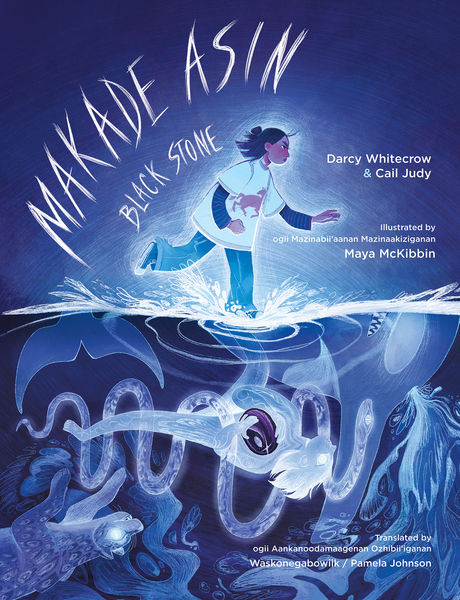
Makade Asin / Black Stone by Darcy Whitecrow and Cail Judy (Illustrated by Maya McKibbin)
OB:
How would you describe the artistic community in Canada in terms of book publishing?
MM:
I feel like I hear a lot more about how the “community” functioned before COVID: more monthly meetups, more funding for travel, etc.
Your CanLit News
Subscribe to Open Book’s newsletter to get local book events, literary content, writing tips, and more in your inbox
The whole time I’ve been in the scene it’s felt pretty isolating, It’s been the norm that I don’t have discourse with the writers but when I’m working with other Indigenous creators, I request it. It’s important that their story is represented with the cultural details they know, even if we share a nation. I want to ensure the image that we are creating is aligned with both of our teachings and, if I’m working with a writer from a different nation, that I’m representing their vision and story accurately.
I do however feel like publishing in Canada is a little bit of a bubble, folks know each other and I get the impression that people have worked together in different ways at different stages of their careers. It’s nice to meet folks and sink into familiarity with people across publishing houses and meet them again in new situations!
I feel like the Indigenous kidlit world is even more of a bubble! I wanna support my friends! For example, illustrators Shoshannah Greene, Cole Pauls, and Mangeshig Pawis-Steckley are folks I always support and celebrate! And of course, I only have amazing things to say about David Robertson.
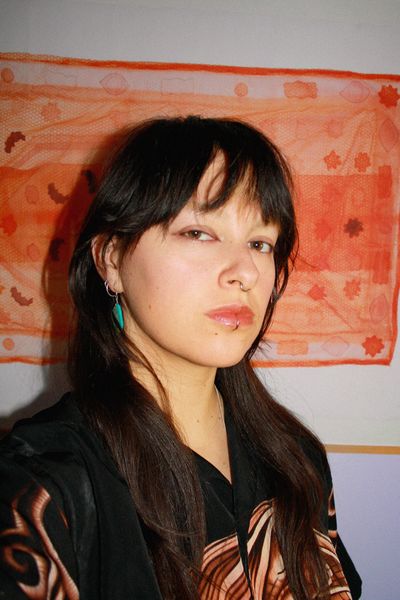
Maya McKibbin
OB:
What are you working on next?
MM:
I’m super excited to be debuting the first long form creation I’ve written and illustrated in the fall next year. It’s a futuristic psychological romance graphic novel called “i dreamt of u <3” for young adults, but like most books, I think it’s for everyone :)
I’m chipping away at other things too. Like most people working in the arts, you gotta be busy! I’m helping out with Amanda Strong and Pamella Post’s new short film with Spotted Fawn Productions, Soul Catcher, doing some illustration work with Trans Care BC, and writing some first passes of a children’s book I hope to publish the next year or two.
_________________________
Maya McKibbin is a 2S multidisciplinary visual artist living on the unceded traditional territories of the xʷməθkʷəy̓əm, Sḵwx̱wú7mesh and səlilwətaɬ Nations. They are Irish-settler and Ojibwe with roots in White Earth Nation and have family diaspora from Zacatecas in Mexico. Maya has illustrated Swift Fox All Along by Rebecca Thomas, nominated for a Governor General’s Literary Award; The Song That Called Them Home and Little Shoes, by David A. Robertson; and If You Were Here by Kathy Stinson.