Story Sparks & Surprises: An Interview with Heather Beaumont, author of WHEN WE GO HOME
When We Go Home by Heather Beaumont (Illustrated by Nátali de Mello) banner
A trip that initially doesn’t quite feel like a homecoming slowly begins to evolve in When We Go Home (Kids Can Press), a story about what it means to belong in more than one place.
Marlee isn’t convinced when her parents announce they are going back home to the island where they grew up. It’s not her home, she insists. But once she arrives, things start to change. Time with extended family, the rhythm of the beach, the taste of coconut water, and the sounds of music at night start to reshape how she understands the word. What felt distant becomes familiar, even comforting.
Debut author Heather Beaumont lets that shift happen gradually, with a gentle, rhythmic voice that mirrors Marlee’s growing awareness. The warmth of the setting comes through in the vibrant illustrations by Nátali de Mello, which bring the island’s textures and energy to life. By the end, When We Go Home holds space for the idea that home is not always singular, and that connection can grow across places, cultures, and generations.
We've got a Story Sparks & Surprises interview with the author right here!
Open Book:
Every picture book starts somewhere. What was the spark for this story, and how did it evolve from your first rough draft to the final pages we see today?
Heather Beaumont:
My parents were excited to finally introduce my sister and me to the Island where they grew up. My dad drove us all over, introducing us to relatives, parishes, and tourist sites. I picked sweetly scented mangoes straight from the tree and tried to emulate Jamaican Patois, much to the amusement of family and friends.
It was inevitable those visits would shape my writing. My earliest drafts, though, lacked tension—they were more like snapshots than a story. Over time, through conversations with writer friends and reading widely about immigrant experiences, I realized the emotional core: a child learning to understand her parents’ idea of “home,” and how it becomes part of her own identity.
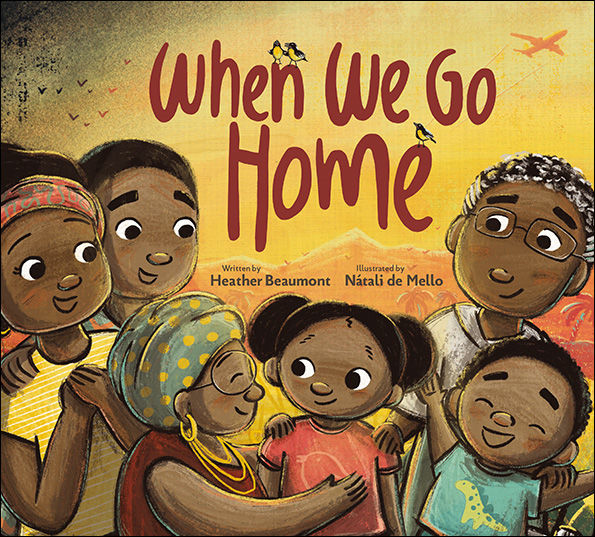
When We Go Home by Heather Beaumont (Illustrated by Nátali de Mello)
OB:
Collaboration can be its own adventure. How did working with your illustrator shape the story?
HB:
I communicated with the illustrator through our editor, sharing images of Jamaica, food, hairstyles, and cultural details. At one point, I suggested adding text to better match a character’s expression in an illustration, which strengthened the scene.
Your CanLit News
Subscribe to Open Book’s newsletter to get local book events, literary content, writing tips, and more in your inbox
There were also moments of pure surprise—like a scene at the airport where the main character interacts confidently with a customs officer. That wasn’t something I had envisioned, but it added emotional depth. The artwork expanded the story in ways I couldn’t have achieved alone, which is one of the joys of picture books.
OB:
Representation matters. How did you approach portraying your characters and community with care?
HB:
The story is rooted in my own experience as an immigrant child with Jamaican heritage, so authenticity was always central. When reviewing illustrators, I looked closely at how they handled diversity—race, culture, and hair textures especially.
The main character’s hairstyle was particularly important as a symbol of identity and confidence. I offered feedback and resources to ensure it was represented accurately. Small details—like jewelry or even removing a dog from a dinner table scene—also mattered, because they reflect lived experience.
At the same time, I embraced moments that added warmth, like including animals in other scenes, because they help build empathy in young readers.
OB:
If a teacher or librarian built a lesson around your book, what would you hope they explore?
HB:
I’d love for children to talk about where their families come from—whether that’s another country or a different part of the same one. They could research those places, create flags, or interview family members about their childhoods.
Questions like “What games did you play?” or “What do you miss about your home country?” can open meaningful conversations. It’s a way for kids to connect with their own histories and understand others’ experiences too.
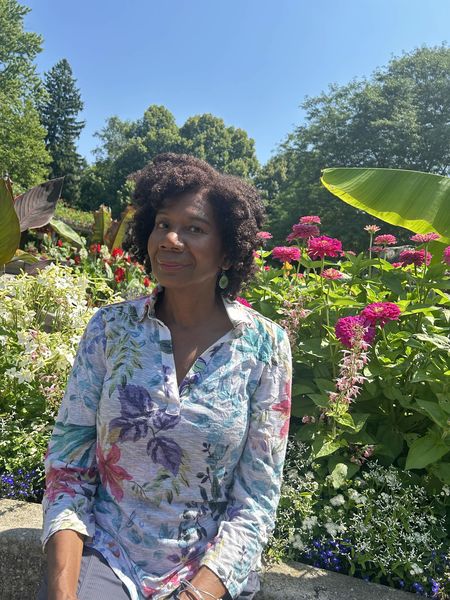
Heather Beaumont
OB:
Looking back, what’s one craft lesson you wish you’d learned earlier?
HB:
That rewriting never really ends. Early on, I didn’t revise much—but now I see that writing is rewriting. Even a sentence I loved yesterday might feel different today.
There’s a stage beyond revision, though, that I think of as polishing—when it’s just you and the words, refining them quietly. That process can feel almost meditative. It’s where the work really comes alive.
_____________________________
Heather Beaumont emigrated from England at seven years old with her parents and big sister. She spent her childhood exploring in the woods, riding her bike, making weekly visits to the library and directing and acting out stories with friends. Her love of words and stories led to careers in magazine journalism and communications and marketing. She lives in Toronto, Ontario.
Nátali de Mello is a Brazilian Canadian author and illustrator based in Ottawa, Ontario. She holds an MA in Illustration from Falmouth University and has illustrated several picture books. Nátali loves using creativity and inclusivity in her work, mixing traditional and digital media. When she’s not drawing, you can find her hiking in nature with her husband and twins – or enjoying a nice slice of pizza!