Story Sparks & Surprises with Anna Lazowski, Author of I BUILT A ROCKET SHIP
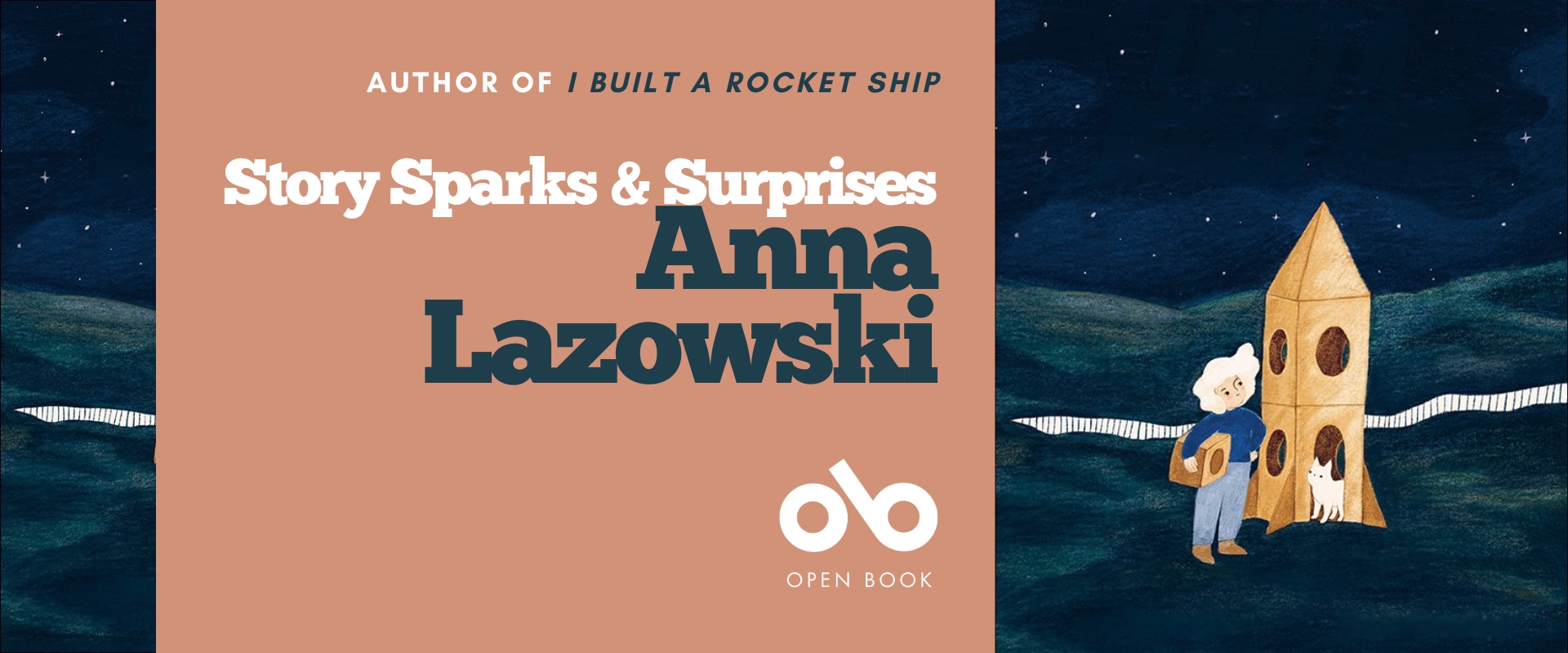
Sometimes children find their own language for grief. In I Built a Rocket Ship, that language takes the shape of a backyard project, as one child quietly sets out to build a rocket capable of reaching someone they miss very much.
As the rocket slowly comes together, memories begin to surface. Building projects, stargazing, and everyday moments with this special person become part of the journey, while a parent offers gentle support nearby. Anna Lazowski captures the unpredictable ways that children process loss, allowing imagination to become a space where sadness, love, and memory can exist side by side.
The story is enhanced by the gentle, expressive artwork of Jennica Lounsbury, whose illustrations create a sense of warmth and reassurance without diminishing the book's emotional honesty. I Built a Rocket Ship is a compassionate picture book that reminds readers, young and old, that there is no single way to grieve, and that remembering someone can be its own kind of journey.
We've got a Story Sparks & Surprises interview with the author of this new picture book, fresh off the press for our readers!
Open Book:
Every picture book starts somewhere. What was the spark for this story, and how did it evolve from your first rough draft to the final pages we see today?
Anna Lazowski:
Originally, I wanted to build a story around an object that could help convey a difficult emotion. Very quickly, the idea of a child building a rocket ship to reach the stars came to me, and the first-person voice followed almost immediately.
When we talk to children about death, our explanations are often necessarily vague. I found myself wondering what that experience might actually feel like for a young child encountering profound loss for the first time. Adults explain things as best they can, but we can never fully know how children understand or process those conversations. In this story, the child finds their own way through grief by using memories and imagination to try to reach someone who is no longer there.
Looking back at my earliest draft, much of it remains in the finished book. I refined the repetition, adding the refrain, "I built a rocket ship out in the backyard," in a later draft. I also rearranged the sequence of events, made certain moments more specific, strengthened the ending to give it greater emotional resonance, and intentionally left the identity of the person who has died open to interpretation.
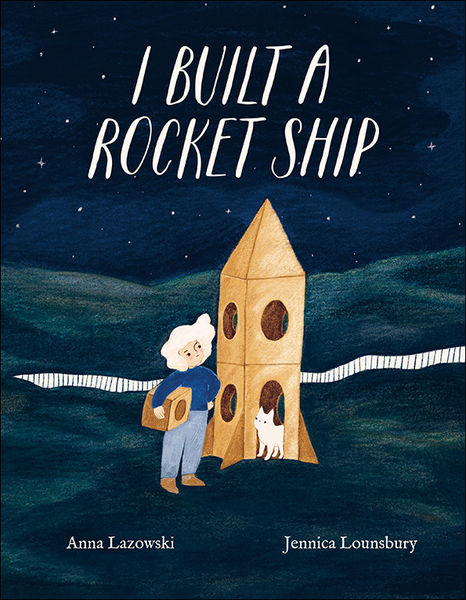
I Built a Rocket Ship by Anna Lazowski (Illustrated by Jennica Lounsbury)
OB:
Read-aloud magic: Is there a line or a page turn that always makes kids (and you) pause, giggle, or gasp? What makes it land?
Your CanLit News
Subscribe to Open Book’s newsletter to get local book events, literary content, writing tips, and more in your inbox
AL:
I think the final line carries the greatest emotional weight.
Over the course of the book, readers accompany this grieving child as they slowly begin to process an enormous loss through creativity and imagination. But grief doesn't have a neat ending. It changes over time.
The final words describe the child and their father "painting it your favourite colour, so you'll be sure to see me coming." In that simple moment, it's clear that the grief is still very much present. The child hasn't let go, and that's both heartbreaking and hopeful.
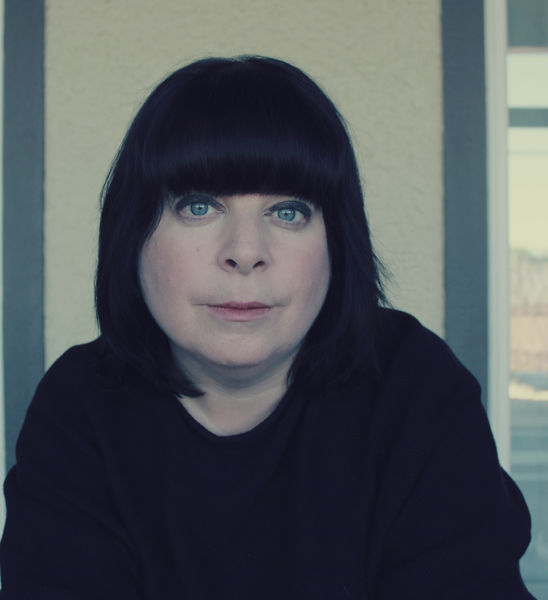
Anna Lazowski
OB:
Picture books pack big feelings into just a few words. How did you keep the heart of the book on the page without being too on-the-nose or "message-y"?
AL:
I think the key was writing entirely in the child's first-person voice.
Rather than being told about a child experiencing grief, readers are invited to experience it alongside them. We see the world through the child's eyes, sharing their confusion, hope, imagination, and determination.
If I had written the story in third person, I think that emotional distance would have weakened the connection. Writing from inside the child's perspective allowed the heart of the story to emerge naturally instead of feeling instructional.
OB:
Rhythm, rhyme, repetition—sometimes they're superpowers, sometimes tricky traps. What's your secret for getting the sound and flow just right?
AL:
I've worked in radio for more than twenty-five years, so much of my career has involved writing for the ear.
Since picture books are meant to be read aloud, I constantly read my work aloud while I'm writing. It's the best way to hear awkward phrasing, discover where pauses belong, and identify opportunities for alliteration, repetition, and rhythm that help bring the story to life.
OB:
Representation matters. How did you make sure your characters or communities were portrayed with care?
AL:
One of my goals with this book was to leave many of the details intentionally open to interpretation.
The story is told entirely from the child's perspective, so we never learn the child's name. Illustrator Jennica Lounsbury carried that idea into the artwork by keeping the character visually open enough that many readers can see themselves reflected there.
Likewise, the person the child has lost is never explicitly identified. That was a deliberate choice. I hoped it would allow children with many different experiences of grief to connect with the story in their own way.
It has been fascinating to read reviews and see how different readers have interpreted the loss. While many books benefit from highly specific representation, this story called for openness, allowing more readers to find themselves within its emotional landscape.
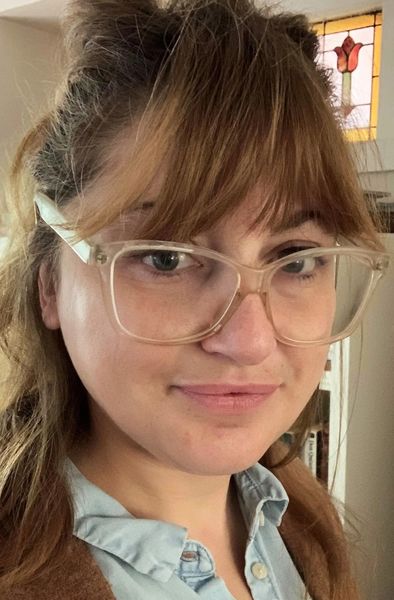
Jennica Lounsbury
OB:
If a teacher or librarian built a storytime or lesson around your book, what's the activity or discussion you'd secretly hope they do?
AL:
I'd love for children to build and decorate their own rocket ships using whatever materials they have available.
Afterward, they could talk about what special things they'd pack before heading off to the stars. I think it would naturally lead to conversations about favourite memories, the people who matter most to us, and the relationships we treasure, while giving children a creative and accessible way to express those feelings.
______________________________
Anna Lazowski wrote her first picture book for a class assignment in the sixth grade and has been creating stories ever since. Now she is an award-winning radio producer and writer, whose journalistic work has been published in various newspapers and magazines, and she is the author of several picture books. She lives in Winnipeg, Manitoba, with her husband, kids and dogs.
Jennica Lounsbury likes to draw and read and draw what she’s reading; she likes to cook and eat and draw what she’s cooking and eating; she likes to look at people and animals and draw them; and she likes hanging out with kids and drawing all their funny ideas. The illustrator of several picture books, she lives in Hamilton, Ontario, with her family.