KidLit Convos Featuring Deborah Kerbel and Tine Modeweg-Hansen, Author and Illustrator of COMMUNITY SNOWMAN
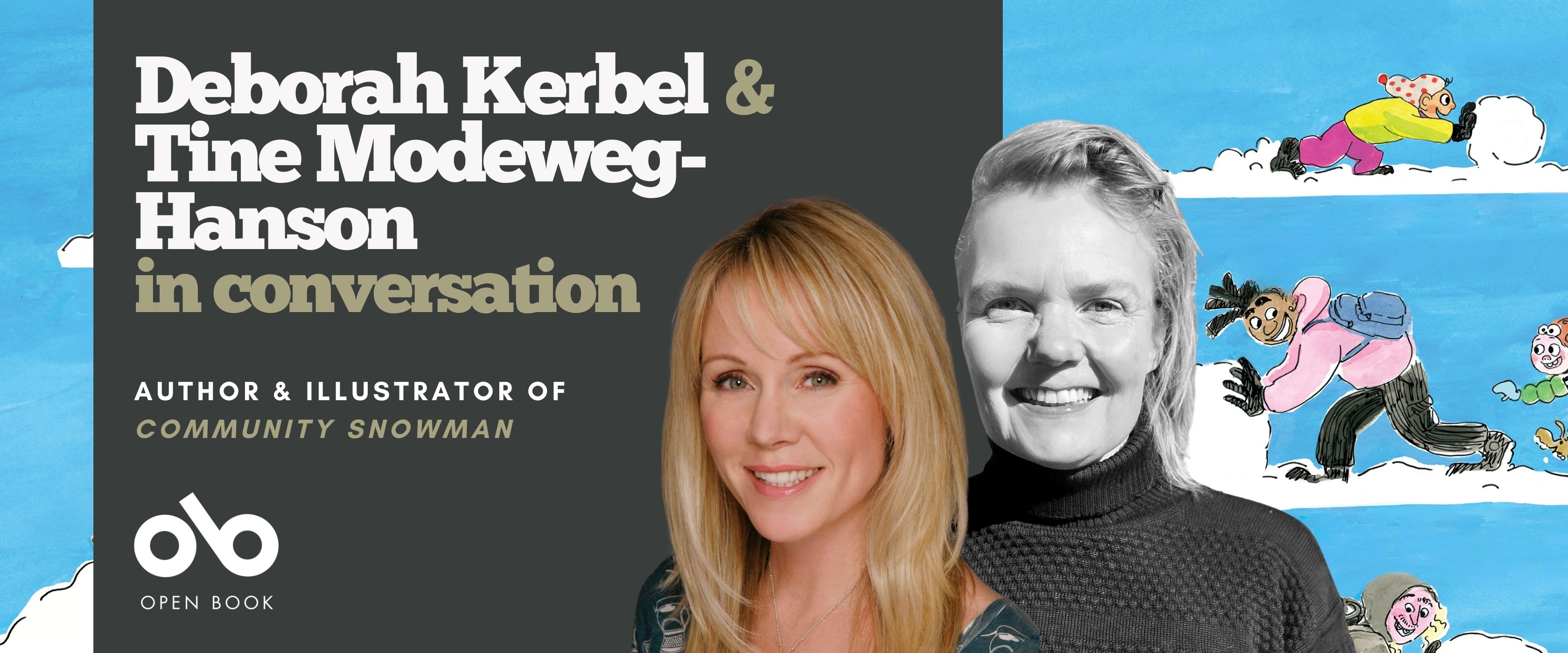
In our featured title today, Community Snowman (Groundwood Books), one particularly snowy morning sparks an unexpected chain of kindness as one girl’s simple plan to build a snowman quickly turns into a joyful neighbourhood project. What begins with the simple task of rolling snowballs becomes a lively community collaboration. With kids, teens, and adults each offering something of their own, from snacks and winter gear to a final heartfelt tribute that brings everyone together.
Author Deborah Kerbel draws inspiration from a real community moment to create a warm, moving story about connection and generosity, brought to life on the page by the playful visual storytelling of Tine Modeweg-Hansen. The result is a vibrant wordless narrative that celebrates how shared effort can turn an ordinary winter day into something unforgettable.
We've got a special KidLit Convo between both the author and illustrator of this incredible new book for young readers right here!
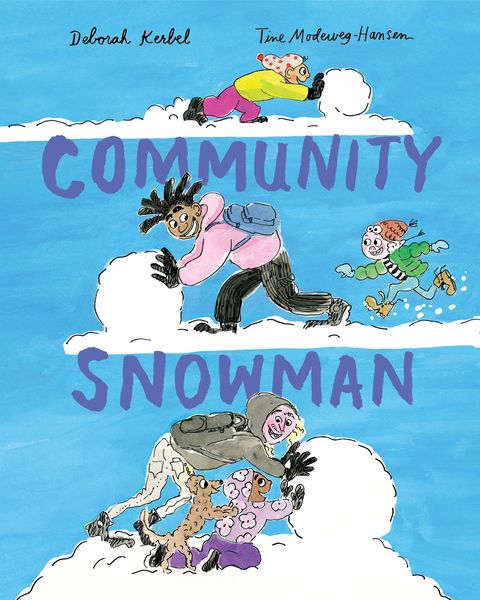
Community Snowman by Deborah Kerbel (Illustrated by Tine Modeweg-Hansen)
Deborah Kerbel:
When you first read my story, which moment immediately came alive for you in pictures?
Tine Modeweg-Hansen:
When the girl sees the snow dump outside her window. Every year when we get that first big snowfall, I get butterflies and marvel at how pretty it is.
DK:
Was there a spread that really pushed your sense of pacing or layout?
TMH:
I think it was the urgency the girl felt to get outside to play, already on the first spread. From that moment, I wanted to keep the pace up. When kids are excited, it’s go go go, and I love drawing kids in action. Another pacing aspect of the story that I enjoyed was how strangers stopped in their busy day, played together, and then whoosh, dispersed again — lots of legs taking big strides! The story changes pace later in the book. Things slow down. There is sitting and chatting and sharing time in a different way. I appreciated that.

Deborah Kerbel
DK:
Did you tuck in any playful details or visual jokes that readers might miss on the first read?
TMH:
The dogs sniffing each other’s derrieres. The teenagers wearing hoodies, not coats, and gloves, not mittens — so uncool! There is an ongoing snowball fight over three pages and I accidentally made grandpa look a bit like Bill Clinton!
DK:
How did you land on the book’s overall look — the style and the colour choices?
Your CanLit News
Subscribe to Open Book’s newsletter to get local book events, literary content, writing tips, and more in your inbox
TMH:
I wanted the book to look handmade, so I used paint and a pen. I scanned the watercolor illustrations and the penwork. I also chose a softer colour palette. A lot of the illustrations are complex, and I did not want it to be too overwhelming.
TMH:
When you first saw my rough sketches or thumbnails, what caught you off guard?
DK:
The energy! Every image in the file was practically buzzing with it. And how, even at the rough sketch stage, you somehow managed to perfectly capture a child’s excitement at waking up to that first big snowfall of the year.
TMH:
Which page or spread surprised you most once you saw it fully illustrated?
DK:
There’s so much exuberance and joy in each spread, it’s hard to pick one that stands out from the rest. But the illustration near the end where the older gentleman enters the story feels extra special to me. There’s a palpable moment on that page where the action pauses and the community seems to hold their collective breath. It manages to build suspense so well without saying a word.
TMH:
You’ve published three wordless picture books. What is it that you are drawn most to about them?
DK:
For me, creating a book without text is one of the hardest yet most enjoyable challenges in the craft of writing. Authors naturally focus on words, so forcing yourself to imagine the story from a purely visual perspective means stepping out of your comfort zone and stretching those creative muscles in new and unexpected ways. It’s also helped me understand storytelling through the eyes of an illustrator a bit better. It reminds us that looking at narratives from a different point of view can be incredibly revealing and refreshing.

Tine Modeweg-Hansen (Photo by Allie Brown)
Open Book:
How did the two of you decide on the final cover design?
TMH:
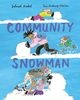
It took teamwork! My first run at it was a close-up of the kids pushing and lifting the top snowball into place. I thought it was dynamic and comical, but it was missing the wider community aspect of the story. My kids also said it was a bummer seeing kids struggling — they were right!
The editors came up with the final concept. They sent a stickman sketch, and I elaborated on it. We had versions with different characters from the book pushing the snowballs. The editors also suggested the sky-blue background, which is punchy and inviting. I’m happy with how it turned out, and I wouldn’t have come up with it on my own.
DK:
The process of bringing a picture book to life is all about effective collaboration. This cover is a great example of how a merging of creative minds can come up with something magical. Although my contribution was limited to a few suggested tweaks, Tine did all the hard work!
OB:
Which influences from books, art, music, or life shaped the feel of this story?
TMH:
I looked at the many photos I’ve taken of snow. How a twig can hold what looks like a kilo of it. The way it changes colour throughout the day. I also looked at wintery New Yorker covers and took note of how people are dressed — or often underdressed — for that first big snowfall of the year. Mostly, I drew inspiration from hanging out with my kids in the neighbourhood park.
DK: The heart of the story was inspired by a friend’s social media post about a real-life community snowman collectively built by some of her neighbours in Ottawa. The rest came from my own joyful memories of snowy days growing up in Toronto.
OB:
Is this a collaboration we’ll see again in future books?
TMH:
For sure! I’d love to work with Deborah again.
DK:
I hope so!
________________________________________
Deborah Kerbel is the award-winning author of 11 novels for young readers, as well as 20 picture books, including No Huddles for Heloise, illustrated by Udayana Lugo; Sun Dog, illustrated by Suzanne Del Rizzo; and When Spider Met Shrew, illustrated by Geneviève Côté. Her books have been shortlisted for the Governor General’s Award and the Blue Spruce Award, among many others. Born in London, England, Deborah now lives in Thornhill, Ontario, with her family and rescue schnoodle, Freddie.
Tine Modeweg-Hansen was born in Copenhagen, and she completed undergraduate and graduate studies in illustration at Designskolen Kolding. Critics named her part of a new generation of Danish illustrators dubbed “The Young Wild.” To date, she has illustrated 20 books, receiving accolades as “one of Denmark’s most offbeat, dynamic and imaginative drawing brains” (Berlingske Tidende) and earning a place on the prestigious IBBY Honour List. Tine lives with her family in Montreal, Quebec.