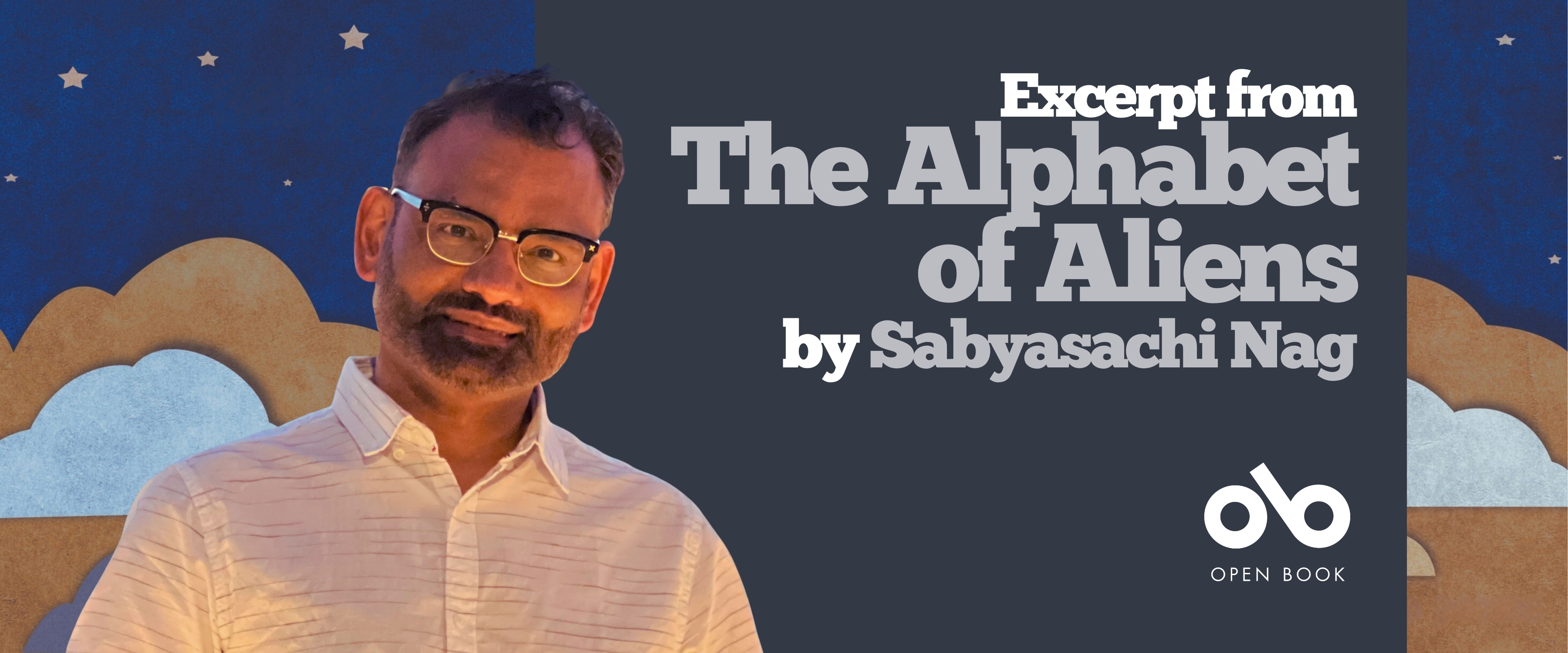
Read an Excerpt from THE ALPHABET OF ALIENS, the Exciting New Poetry Collection from Sabyasachi Nag
The Alphabet of Aliens by Sabyasachi Nag
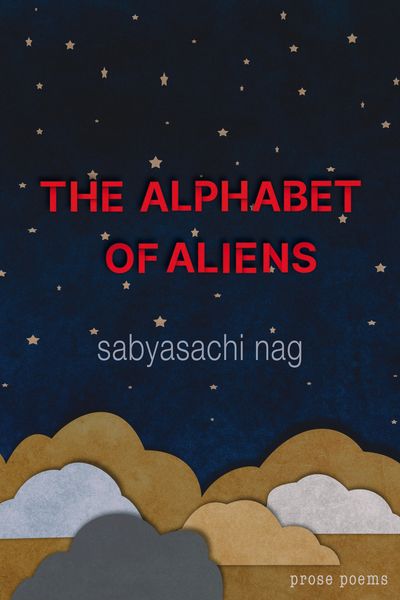
The exciting new collection of prose poems from Sabyasachi Nag moves through the unsettled spaces of migration, belonging, and in-between states. Drawing on lived experience as well as imagination, the work blends autobiography with dream logic, shaping a book that feels part diary, part travel record, part field notes from unfamiliar terrain.
Playful and precise, the poems in The Alphabet of Aliens (Mawenzi House) make room for the strange and the tender. Everyday objects shift into something else entirely, carrying the weight of displacement and transformation. With humour and quiet wonder, the collection traces what it means to pass through places, to arrive without fully arriving, and to live with the persistent pull of elsewhere that shapes many migrant lives.
We've got a couple of poems from the collection to share with our lucky readers today, so carry on and check out some lyrical goodness!
The Alphabet of Aliens by Sabyasachi Nag
Excerpted Poems from The Alphabet of Aliens by Sabyasachi Nag
The Alphabet of Aliens
A for apple, B for blow-in. Aliens love them. Everyone knows it. But
when the boy comes home he chews on his blood. When the girl
comes home she chews on her case. And deaths come dressed like
deferred action, deportation. E for education; F for family, G for
government action, inaction, requital, retribution. The homeless
move like a shadow infantry minus horses. And when they come
invading, they act like ants. Because ants crave sugar. Ants make
sugar. Ants can’t do without an alphabet that has no apple sugar. The
boy says he’s the ant with a joy jug in his head, the owl with a sugar
heart, the parrot with a sugar tongue made from cochineal bugs. The
boy builds tunnels. The boy loves fables. The girl pulls her red tongue
to the mirror. She makes chances with the make-do name; makes
dates in make-do calendars. In a country of chained migration, her
alphabet has no letters; wax walls made of here, elsewhere, soul,
freedom. He loves being waivered. She hates being X-rayed. It’s hard
to skin him, harder still to parse her yak-belly alpha beta theta. Not
the usual twenty-six. Not the zigzagged zebra of merit and quota.
I know my hunger. Speaks in multiple tongues—appeal, affidavit,
asylum, amnesty, adjustment of status. Aliens are for apples. Apples
at the start, in the middle, and at the end. Apples for all seasons,
apples in every grocery aisle, apples in every drug store. Sweetness
spiked in sin. Apples, for centuries, since Eden.
Your CanLit News
Subscribe to Open Book’s newsletter to get local book events, literary content, writing tips, and more in your inbox

Sabyasachi Nag
The Alien Fear
Having escaped their fate in the parliament of punks the alien is
scared of the heart’s inevitable collapse. When they enter a field
of corn, cut in halves by the alien green, angled toward the horse
hooves in the alien sky, they fear they will supplant ancient chants of
elsewhere with anthems of crickets here, shadowing the gold tassels
dancing the wind. When they tutor the child with deep philosophies
of the aspen and pine, they fear they’ll lose the songs of origin that
healed their wounds. And in the heat of their humiliations, they cook
their poppies. When they dig the cold ground to bury the dead, they
fear they’ll forget their debts. Before they offer their final word for
the bull-headed children, all set to scatter around alien oceans, they
ask for time, because they don’t want to be lonely again, because
their loneliness has no limits, because their ruin is the only one they
remember, because their dreams look like calluses on empty hands,
because the creases crossing eyes have cracked the mirror, because
their history burned a hole into the heart and the blue morning is
like turned milk and hurt is the only resting place until afternoon.
The alien fears new bridges in the offing after old walls have fallen.
In the pothole of rotten rain, the alien is anxious they’ll be asked to
puncture their own belly and aspire the blood, because they need
work, and they remember ancestors who were asked to build walls
with bricks from broken bridges.
___________________________________
Sabyasachi (Sachi) Nag is the author of Hands Like Trees (fiction; Ronsdale Press, 2023) and three previous collections of poetry, including Uncharted (Mansfield Press, 2021). His work has been published in numerous journals worldwide. He holds an MFA in fiction from the University of British Columbia and is an alumnus of the Iowa Writers’ Workshop, Simon Fraser University, and Humber School for Writers. He is the managing editor at Artisanal Writer, an online journal that explores books, lit craft, and theory. When he’s not reading or teaching Creative Writing, he enjoys going paddling with his wife and son in the Great Lakes near Toronto.